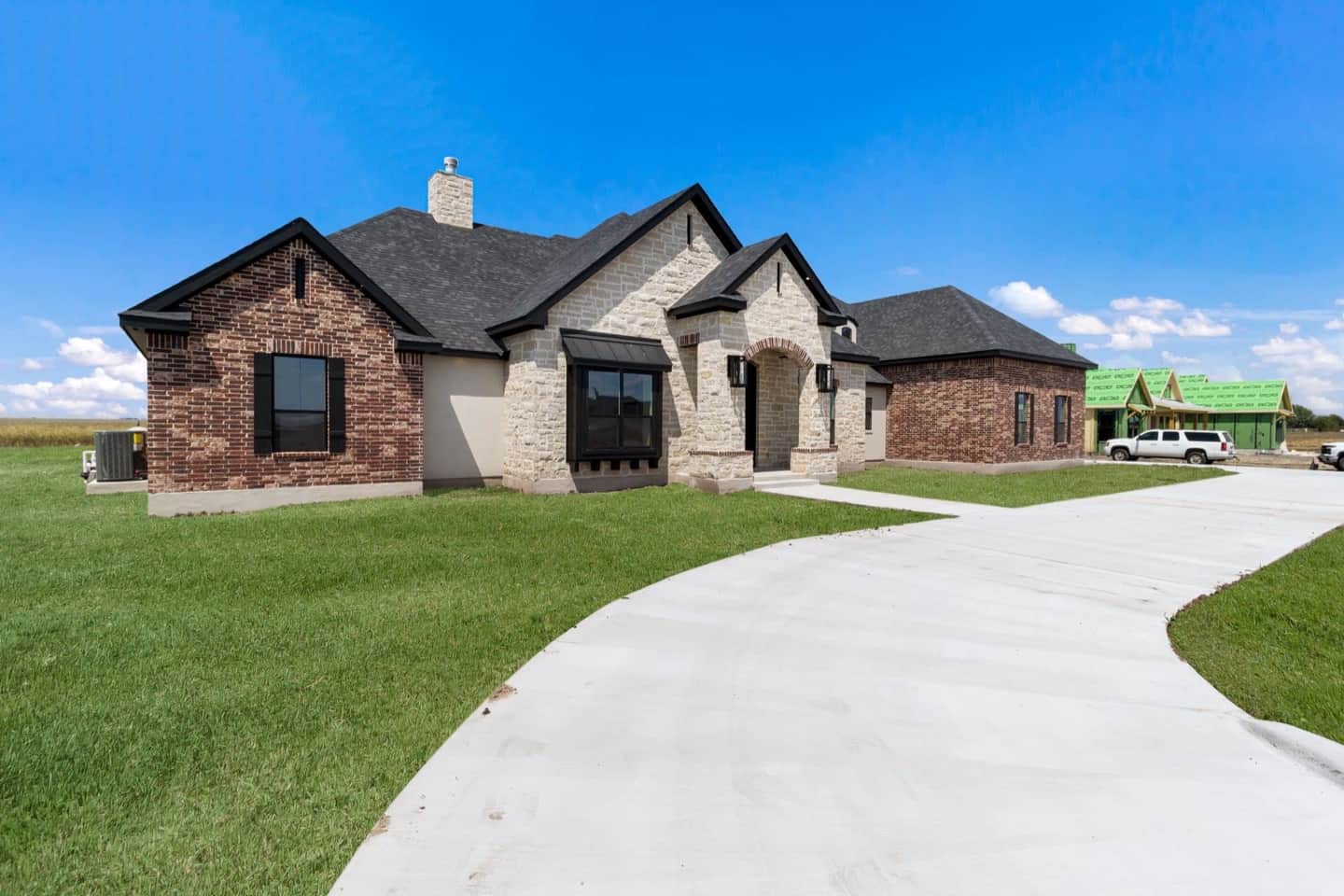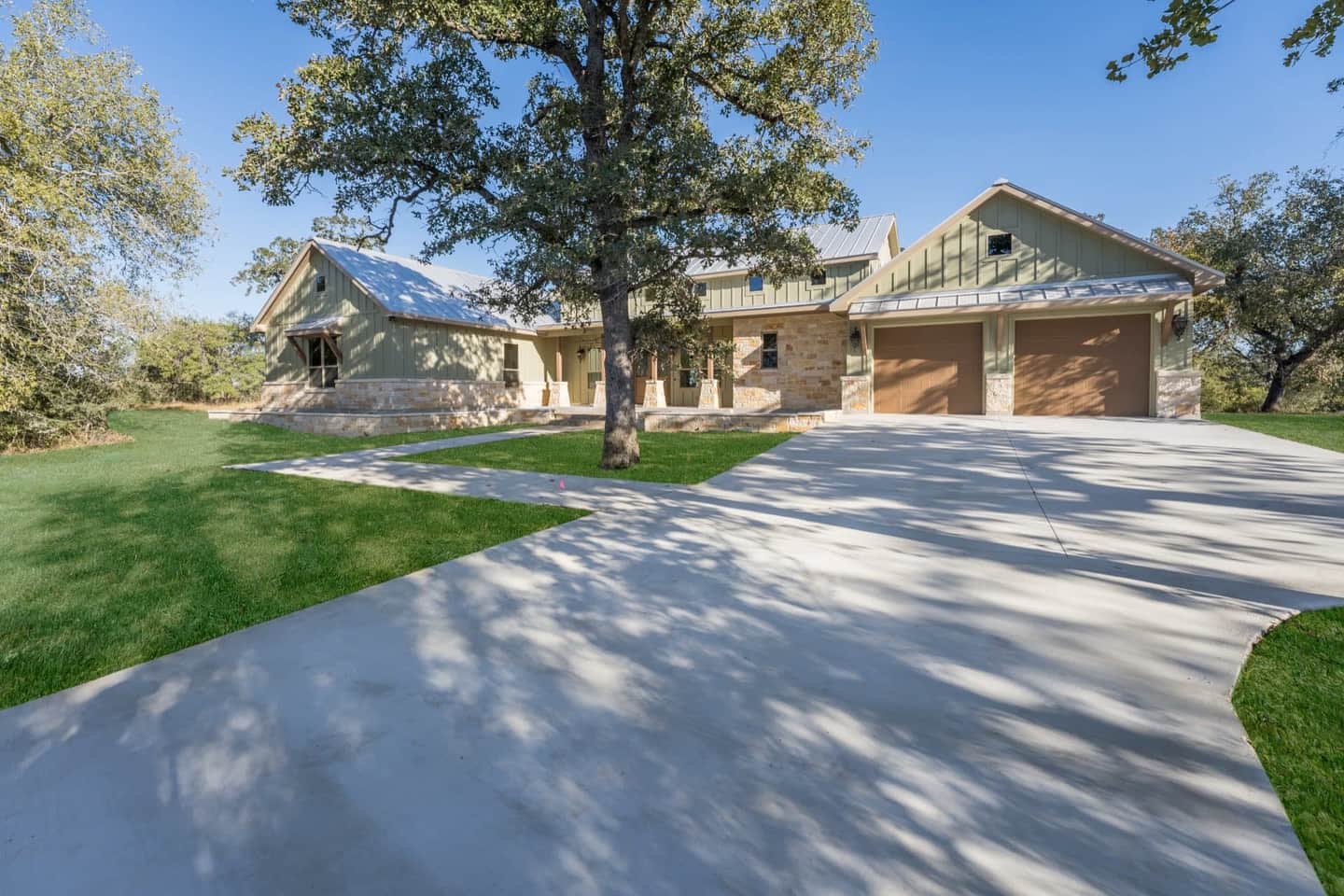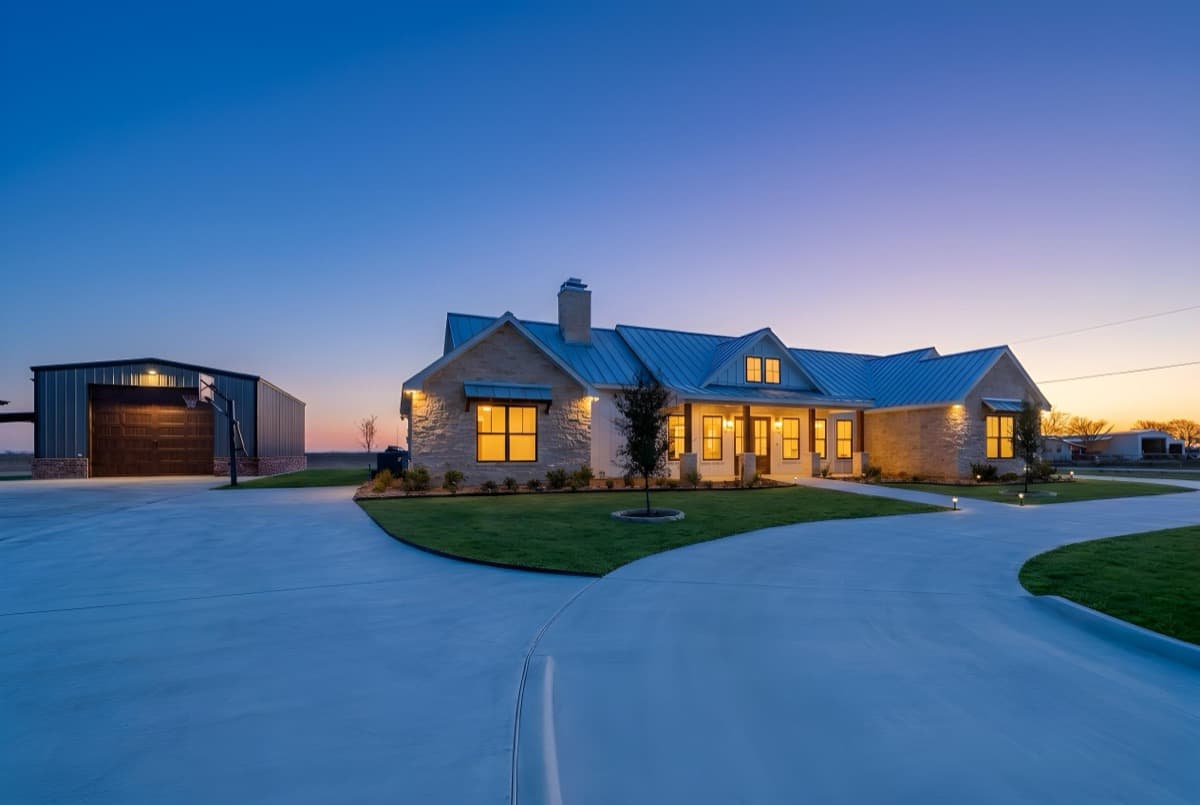
"Do HOA and zoning rules really apply to a custom home in Seguin or New Braunfels?" Yes. They shape your build before the first shovel of dirt moves. The lot you picked may sit in a floodplain, carry a restrictive covenant, or fall under a zoning district that limits height, setbacks, even the color of your roof. A custom home builder who knows Guadalupe and Comal County will pull these rules apart before you buy the land, not after. That early work is the difference between a build that starts on time and one that stalls for months.
Why a Custom Home Builder Reads the Rules Before You Buy the Lot
Every piece of land in this part of Texas carries a set of recorded rules. Zoning tells you what can be built and where. Setbacks tell you how far the house must sit from the property line. Height limits cap how tall the roofline can go. And in low-lying ground near the Guadalupe River or Cibolo Creek, floodplain maps decide whether you can build at all, and how high the finished floor must sit.
None of this is a suggestion. It is recorded against the property, and it binds whoever owns the land. The mistake people make is falling for the lot first and checking the rules second. The lot with the perfect oak trees and the long view can be the same lot that will not pass a septic test or will not allow the second story you want.
A builder who knows the county will read the zoning code and the floodplain map before you ever make an offer. That is not paperwork for its own sake. It is how you find out whether the house you have in your head can actually sit on the ground you are looking at. It is also how you avoid paying for a survey, a design, and a permit on a lot that was never going to work.
The HOA You Do Not See Is the One That Bites
Most people understand that a subdivision with a homeowners association has rules. What surprises them is the other kind: covenants that run with the land even when there is no formal HOA, no monthly fee, and no clubhouse. Many Hill Country tracts carry deed restrictions recorded decades ago. They can limit what you build, what materials you use, even whether you can keep livestock on the property.
Where an HOA does exist, the architectural review committee is the gatekeeper. The ARC approves the plans before construction starts. They review the exterior palette, the roof material, the fence height, the placement of the garage. A design that looks great in your head can fail the review because the siding color is not on the approved list. And the review takes time, usually weeks, which means it belongs in the schedule before the foundation, not after.
The lesson is to read the deed restrictions, not the sales brochure. A good builder will ask for the covenants, the ARC guidelines, and the plat before committing to a price. That is the only way to know what you are actually allowed to build. It is far cheaper to change the plan on paper than to tear down a fence the committee rejected.
Well and Septic Are Regulators Too
In much of Guadalupe and Comal County, there is no city water or sewer at the lot line. That means a well and a septic system, and both come with their own set of rules. The county requires a percolation test to see whether the soil will drain properly. Guadalupe County soil varies a great deal from one tract to the next, and the test result decides where the septic field can go.
Septic systems have to sit a set distance from the well, from the property lines, and from any creek or drainage. If the perc test comes back poor, the usable building area on the lot can shrink dramatically. The house you planned may no longer fit where you wanted it. In the worst case, the lot will not support a conventional septic system at all, and the cost of an alternative system can change the whole budget.
This is why the well and septic questions come early, not late. They do not just decide where the tank goes. They decide where the house sits, where the garage goes, and how much of the lot you can actually use. A builder who has worked this ground will run the perc test before the contract is signed, because a failed test changes everything.
What to Do Next
- - Verify the zoning and floodplain status before you make an offer on any lot.
- - Read the deed restrictions and ARC guidelines, not just the sales brochure.
- - Run the percolation test early, before you commit to a price.
- - Ask your builder to walk the lot with the county rules in hand.
The short version: the rules are not the enemy of a custom home. They are the reason you want a custom home builder who has worked this ground before. When the regulations are handled up front, the build goes the way it should, and the house you end up with is the one you drew.
If you are looking at land in Seguin or New Braunfels and want to know what can actually be built on it, give us a call. We will walk the lot with you and tell you straight what the county and the covenants allow.