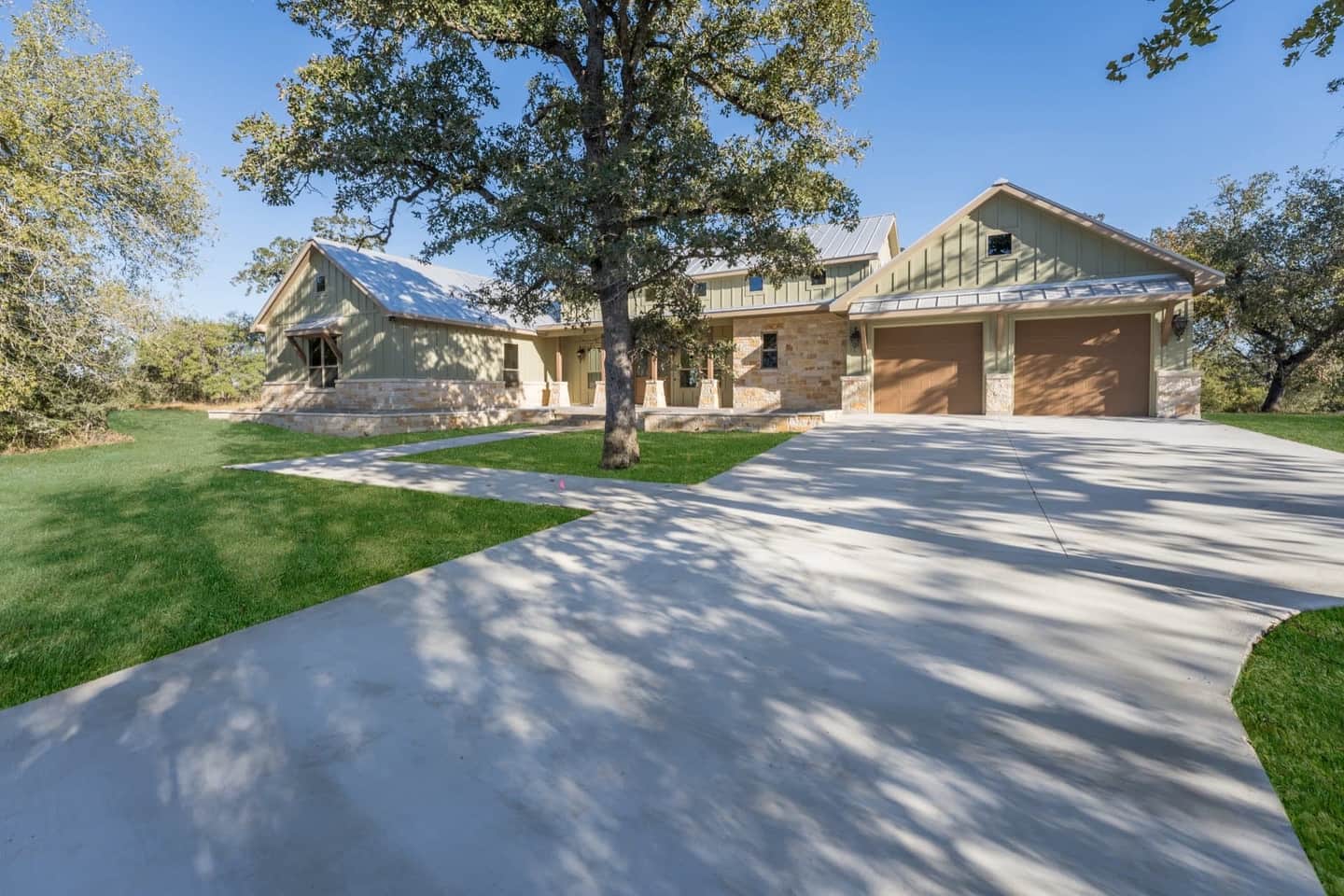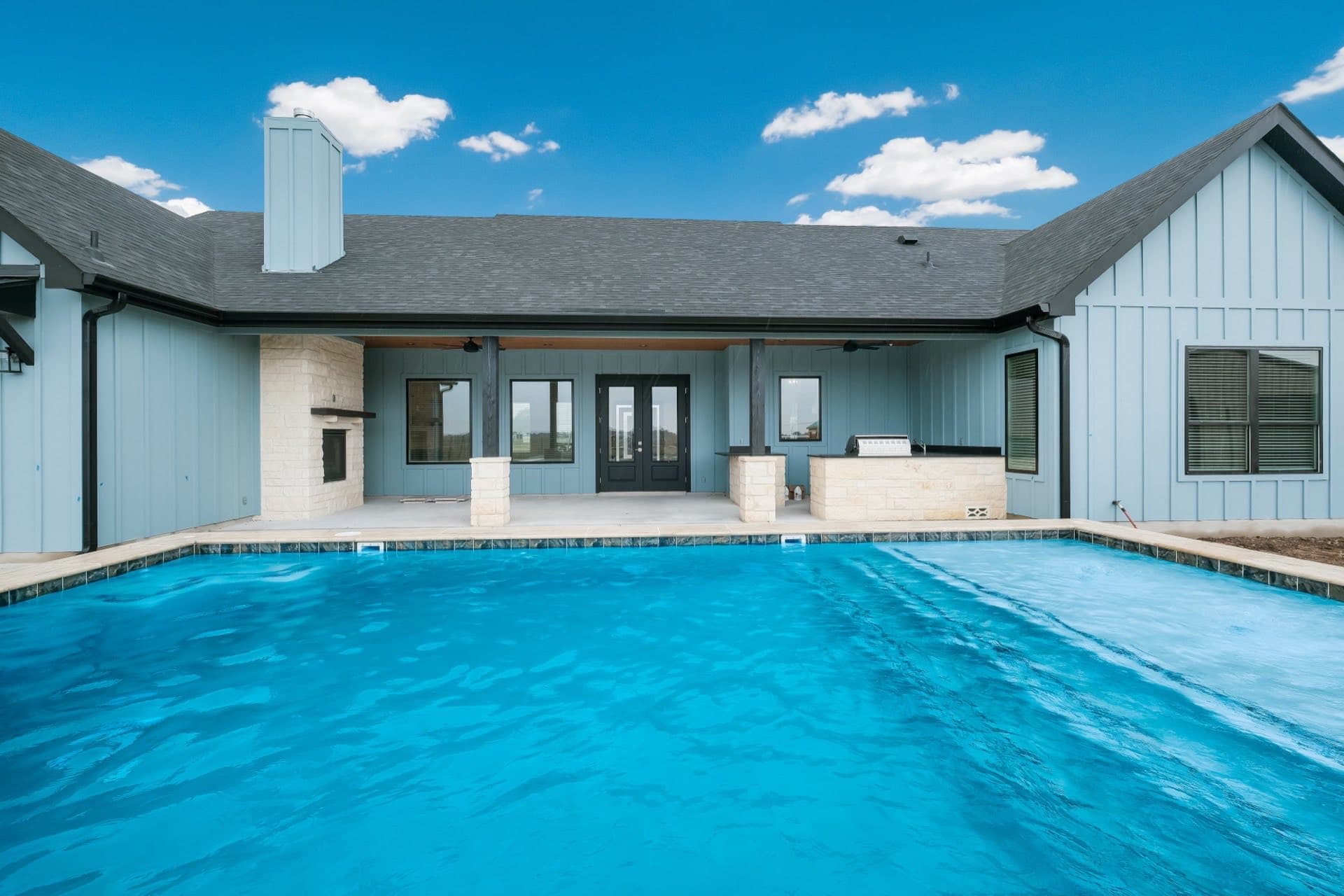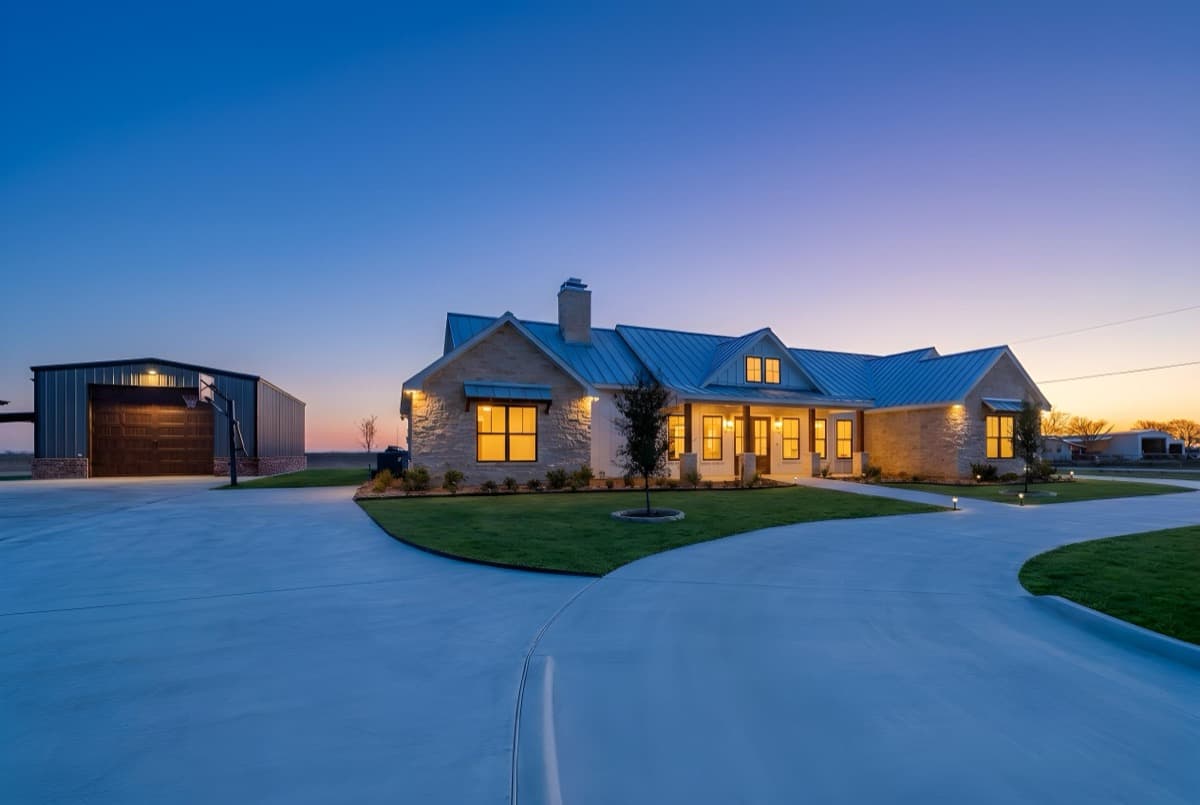
You spend an afternoon browsing builder homes in Guadalupe County and notice two very different price points for houses that look similar on paper. One offers a set of pre-drawn plans with a few finish options, while the other starts with a blank piece of paper and a conversation about your life. Understanding the difference between semi-custom and full custom building determines whether you get a house that fits a lot or a home designed for the land.
The Semi-Custom Approach: Efficiency Over Flexibility
Semi-custom builders operate on a model of efficiency. They have a library of proven floor plans. You choose Plan A or Plan B, and then you select your finishes from a pre-approved list of cabinets, flooring, and paint colors.
This approach works well for people who want a predictable timeline and a tighter budget. The architectural work is already done, which means permitting moves faster and the builder can buy materials in bulk. However, the trade-off is flexibility. If you want to move a load-bearing wall to create an open-concept kitchen or add a specific mudroom for your dogs, you will likely be told no. The plan is the plan. You are fitting your life into the house the builder already designed.
Full Custom Building: Designing for the Individual
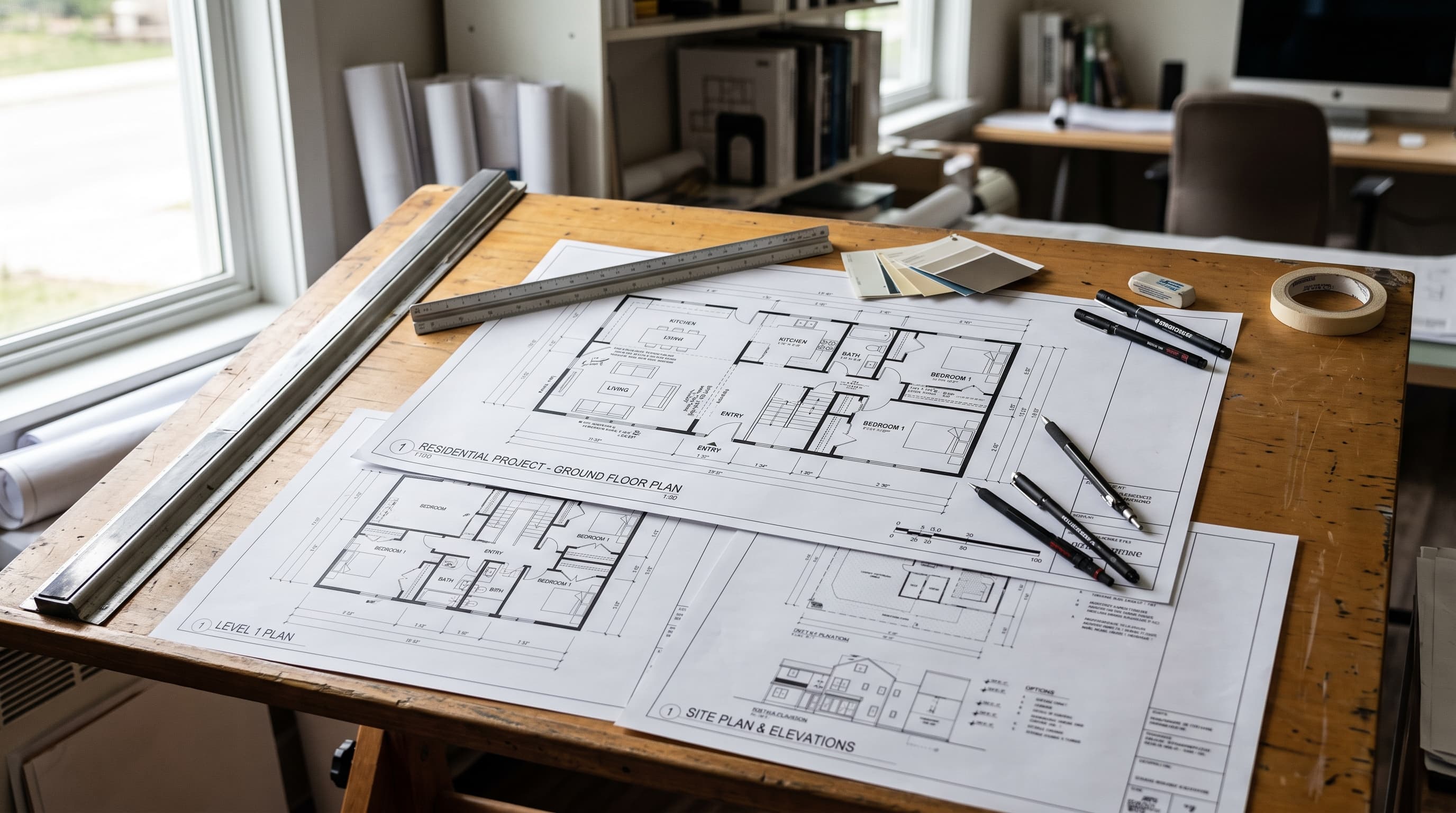
A full custom build starts with the land and the client, not a catalog. We do not start with a set of plans; we start with how you intend to use your space. If you need a dedicated workshop for woodworking or a primary suite that catches the morning light over the Hill Country, we draw it into the blueprints from day one.
Full custom means every square inch is intentional. It allows for architectural details that semi-custom homes cannot offer, such as vaulted ceilings tailored to the slope of your roof or oversized windows positioned specifically to frame a view of the Guadalupe River valley. You are not choosing from a list of options: you are deciding what belongs in your home.
Why the Difference Matters for Texas Land
In the Seguin and New Braunfels area, the land dictates the build. This is where the distinction between semi-custom and full custom becomes critical.
Guadalupe County soil can be unpredictable. We deal with expansive clays and rocky outcrops that can shift a foundation if it is not engineered specifically for that exact patch of dirt. A semi-custom plan is designed to work "generally" across many lots, but a full custom home is engineered for the specific topography of your property.
The same applies to utilities. In the Hill Country, we often deal with well and septic installations. A pre-set floor plan might place a kitchen or bathroom in a location that creates unnecessary plumbing runs or conflicts with the septic field's required setback. When we design from scratch, we coordinate the home's footprint with the land's natural drainage and utility requirements. This prevents costly mistakes during the framing stage and ensures the house sits correctly on the grade.
The Reality of Time and Investment
It is important to be clear about the trade-offs. Semi-custom homes are generally faster to build because the design phase is skipped. They are also typically less expensive because the builder can optimize their labor and material costs across multiple similar projects.
Full custom building requires more patience and a higher investment. You spend more time in the planning phase, working with architects and engineers to refine every detail. There is more coordination involved in permitting and site preparation. However, this investment pays off in the long run. A home designed specifically for its environment and its owner tends to hold its value better and requires fewer "fixes" five years down the road because it was built to handle the specific stresses of the local terrain.
Choosing the Right Path
The choice between semi-custom and full custom comes down to whether you want a product or a project. If you are satisfied with a standard layout and want to move in as quickly as possible, semi-custom is a viable route.
But if you have specific needs, a unique piece of land, or a vision for how your family will live for the next twenty years, full custom is the only way to ensure those details are handled correctly. You avoid the frustration of moving into a home and realizing the kitchen layout doesn't work or the bedroom is too hot because it faces the wrong direction.
What to do next
- * Evaluate your land: Does your lot have a steep slope, rocky soil, or specific views that require a custom footprint?
- * List your non-negotiables: Determine if your needs can be met by a standard plan or if you require specific architectural changes.
- * Check your timeline: Decide if you prioritize a fast move-in date over a tailored design.
- * Review your budget: Account for the additional engineering and design costs associated with full custom work.
If you are planning to build in Seguin, New Braunfels, or across the Hill Country and want to know how your land will impact your design, I am happy to talk through it with you. Reach out to TKG Custom Homes and we can discuss how to approach your project.